
Finding McKinney Residents From a Starting Point
McKinney records work best when the question is narrow. A current street address points first to the City GIS service and the Collin County Appraisal District, commonly called CCAD. A full name can lead to a recorded deed, a court case, a voter-status inquiry, or a dated directory entry. A historical address needs a directory year, newspaper index, map sheet, or deed reference. Those sources overlap, but they are not interchangeable. A parcel account may identify an owner or a mailing address, while a directory gives a past address mention and a court index only records a party in a case.
Keep the record type beside every result. That one habit prevents a plausible name match from turning into a claim about where a person lives. The strongest McKinney residents directory trail moves from a precise clue to an official source, then seeks independent support.
- Normalize the address or full name before searching, preserving an older spelling or street form in the notes.
- Check the city map and CCAD card for a parcel, situs, legal-description, and tax-year context.
- Use the legal description or deed reference in the County Clerk record index, then inspect the available image.
- For a dated household question, compare a city directory, obituary index, newspaper, census, or map with its publication date.
- Ask the actual custodian for an existing record when an index has a gap or a document is restricted.
McKinney GIS Keeps Place and Person Apart
The City of McKinney Addresses and Boundaries service is the geographic start. Its public layers include address points, parcels, ZIP polygons, city limits, and the extraterritorial jurisdiction, or ETJ. A targeted search can establish where an address falls and supply a parcel context. It cannot produce a social roster of everyone near that place. The service limits layer responses to 2,000 records, another reason to query one address or parcel rather than treat it as a citywide residents list.
The location check matters at McKinney's edges. A postal city label or a ZIP can differ from the city-limit or ETJ layer. Record both the map layer and the date checked before carrying a parcel identifier into another system.
That map-first approach gives later parcel and deed searches a reproducible place reference rather than a loose street-name guess.
McKinney Parcel Fields in CCAD
CCAD Property Search is a current-property source, not a census. Its owner and advanced routes accept owner name, street number, street name, property ID, geographic ID, property type, subdivision or neighborhood, tax year, and legal-description components. CCAD advises simplifying a street name and leaving off a suffix, prefix, or unit when an address search fails. Its card can distinguish a situs from a mailing value, show a legal description and deed reference, and tie the result to a tax year. None of those fields alone proves current occupancy.
| CCAD field | Useful McKinney search role |
|---|---|
| Owner name | Finds a tax-account party, subject to name variants. |
| Street number and name | Finds the current situs account after address normalization. |
| Property or geographic ID | Carries a specific parcel into map and deed work. |
| Subdivision, lot, block, legal description | Bridges a current address to recorded land instruments. |
| Tax year and deed reference | Dates the appraisal snapshot and starts a document search. |
The CCAD search screen shows the sort of field choices available for a McKinney residents directory query.
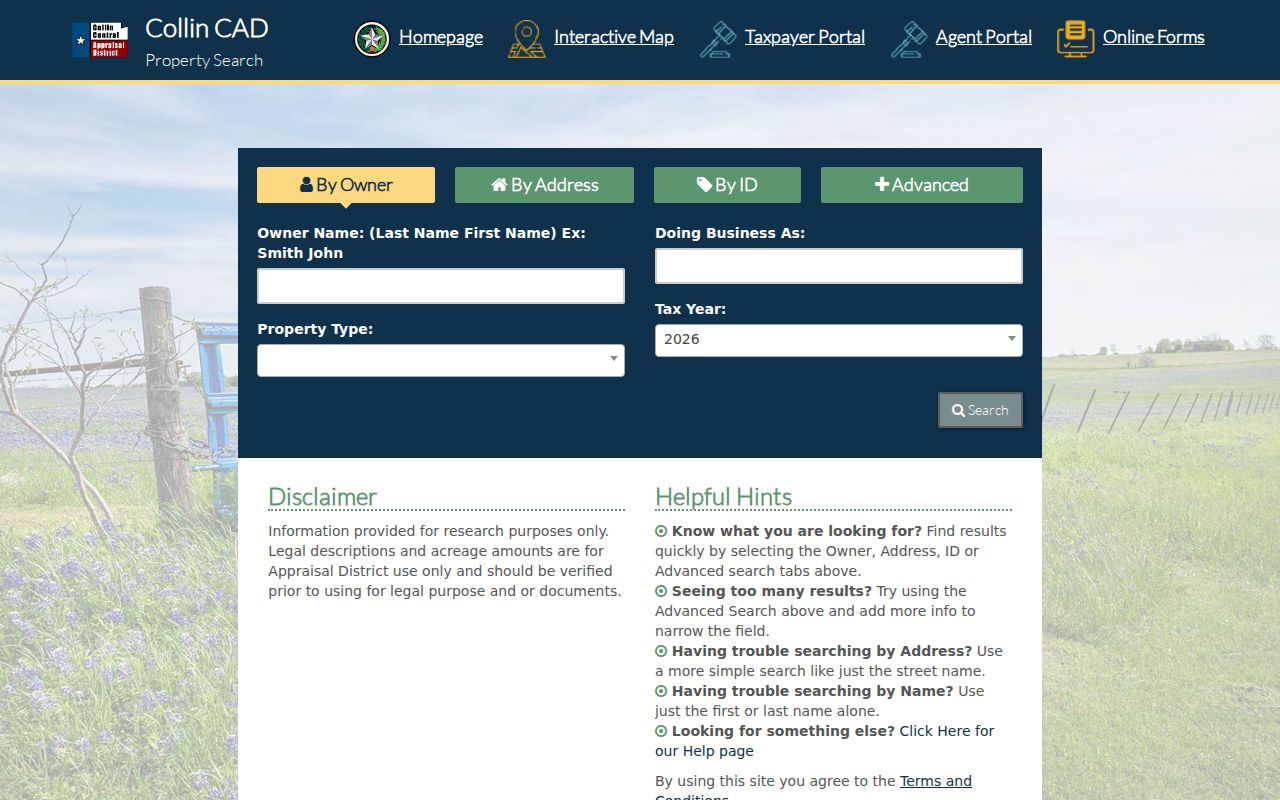
Save the property ID, geographic ID, legal description, result date, and the displayed address type. Those details make a later check much easier to repeat.
McKinney Records Offices Behind Each Roll
McKinney's useful resident records sit with several custodians. The City keeps map, permit, code, police-report, and municipal-court channels. Collin County keeps recorded land instruments, appraisal data, court records, election administration, and local vital-copy routes. Texas agencies operate statewide voter and vital-record systems. Identifying the keeper first is more useful than making a broad request for every record bearing a name.
Collin County Clerk Records
Recorded deeds, liens, plats, assumed names, and related indexes.
McKinney Sources for Current Resident Clues
No current McKinney directory combines every household. Instead, each official source records a particular relationship on a particular date. The table gives the practical starting points and their limits. For a name question that needs careful corroboration, the McKinney resident lookup route focuses on matching one person without merging same-name results.
| McKinney source | Recorded relationship | Custodian | Access route |
|---|---|---|---|
| CCAD property account | Owner, mailing, situs, parcel, and tax-year data | CCAD | Open property search |
| Official Record Search | Parties to deeds, liens, plats, and instruments | County Clerk | Index; some copies require registration or payment |
| Voter status or public list | Registration status or dated registration fields | Elections and Texas SOS | Official lookup or county list procedure |
| City GIS and permit channels | Place, parcel, permit, or case context | City of McKinney | Map service, CSS, or a focused request |
| Neighborhood groups | Recognized boundary and civic contact information | City Neighborhood Engagement | Neighborhood Hub, not a membership roster |
Use the narrowest route that can answer the question. A property account answers a different question from a voter registration record, and a map layer does not identify a household.
McKinney Deed Searches Need Legal Descriptions
The County Clerk's advanced official-record search accepts party, grantor, grantee, date, document number, book or page, lot, block, and legal-description fields. Its historical route reaches 1843 through 1975. Search recorded dates separately from instrument dates, because signing and recording can occur at different times. The portal also distinguishes index search from OCR full text. A name is usually an index field; a phrase from a scanned instrument can be missed or return noise.
Note: The County Clerk warns that its online database is not the official repository and may not contain complete or unaltered documents.
Collin County Official Record Search is the index route for deeds and other recorded instruments in the McKinney trail.
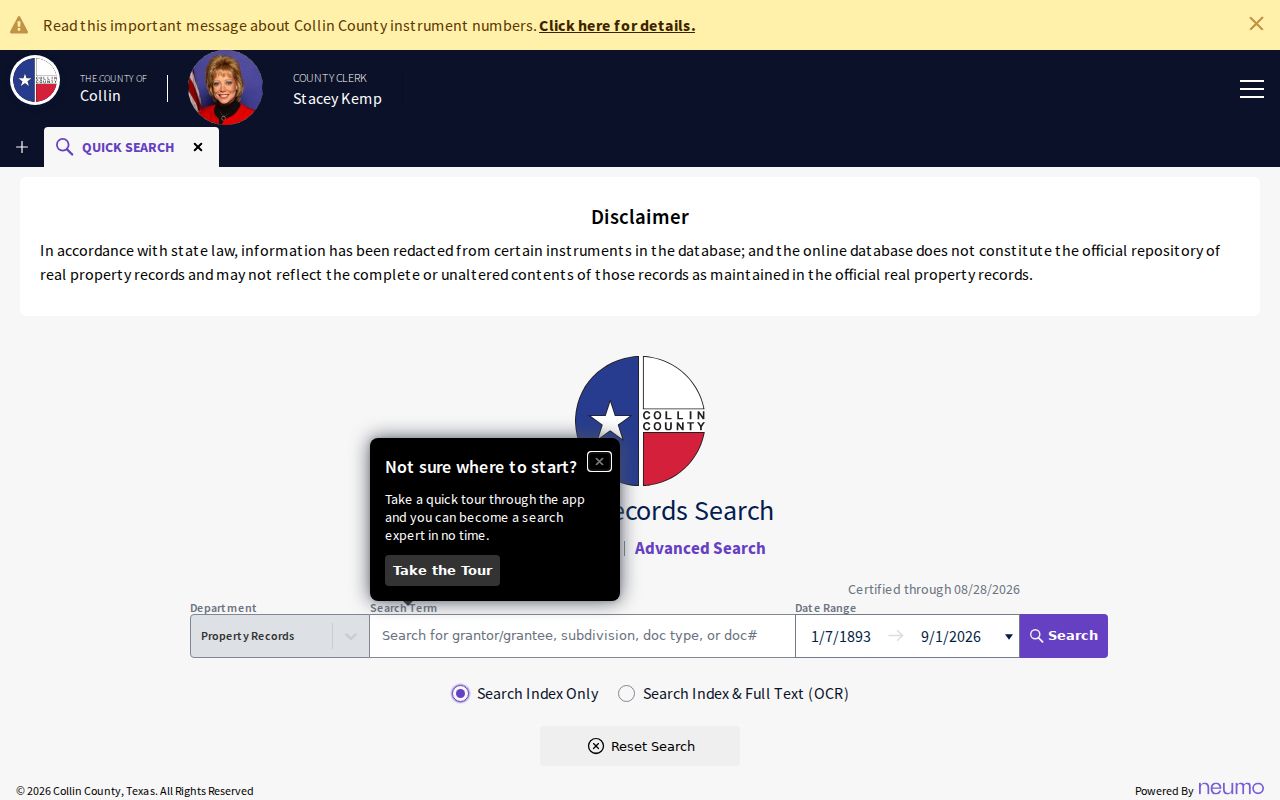
The useful insider step is to carry the CCAD legal description into the deed search. It survives address changes better than a street label and gives a common surname a much smaller result set.
McKinney Court Names Require Context
Collin County Judicial Online Search accepts a name, case number, or citation. The separate Case Search documents active and historical coverage: justice, civil, and probate records generally reach 1984 forward; district criminal begins in 1988; county criminal begins in 2000. Older files use the relevant clerk's manual, written, or in-person path. A court result is a starting point, never a conclusion about identity or conduct.
| When a McKinney court result opens | Record before interpreting it |
|---|---|
| Party name | Whether the name is a plaintiff, defendant, estate, attorney, or another role. |
| Case record | Case number, exact style, court, type, filing date, and displayed status. |
| Document access | Whether the case history is online, restricted, watermarked, or available through the clerk. |
The Judicial Online Search landing page illustrates the official county name and case-search route.
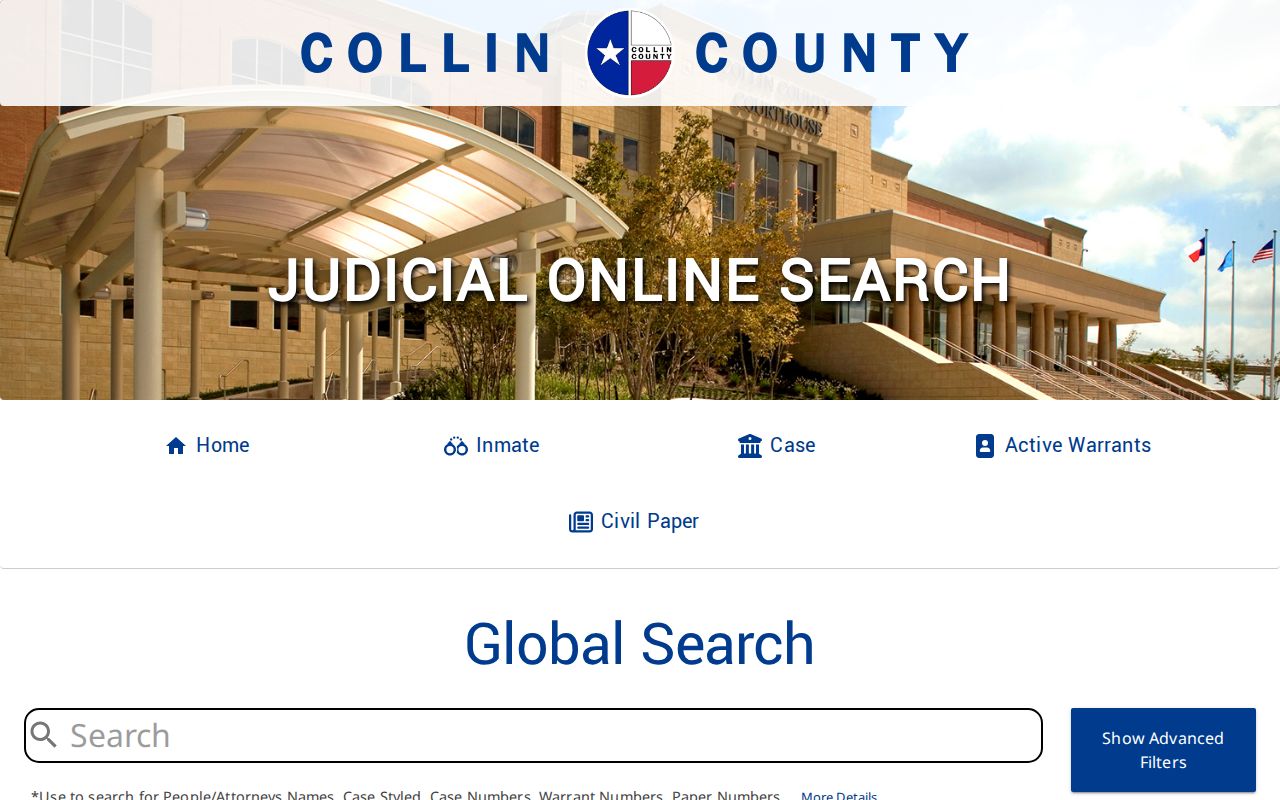
Match a court party to a McKinney person only with independent identifiers, such as a compatible date, legal parcel, distinctive middle name, or documented historical relationship.
McKinney Voter Records Are Dated
Texas My Voter Portal is the official individual status route. State documentation describes searches using a Texas driver license and date of birth, a name, county, and date of birth, or a VUID and date of birth. The portal could not be fully inspected during the research capture, so its live screen should be checked before relying on a field label. The Collin County public-list procedure separately describes county and state IDs, registration and mailing addresses, districts, registration dates, and voting-history fields.
A status marked suspense is not a cancellation. It means the county received information suggesting the voter may no longer be at the registered address. The public file does not include phone or email, and the county prohibits use of purchased lists to advertise or promote products or services.
A voter field documents registration on the record's date. It should be kept separate from ownership, mailing, and current-presence claims.
McKinney Vital Records Have Access Gates
Texas vital records can answer a family-history or event-verification question, but protected certificates are not a general McKinney lookup tool. DSHS qualified-requester rules limit protected certified copies to the record subject, immediate family, a guardian or legal representative, or someone with direct tangible interest and supporting documents. A marriage or divorce verification is not the license or decree itself.
Government Code §552.115 makes birth records public after 75 years and death records public after 25 years, subject to stated exceptions. DSHS forms identify VS-140 for birth, VS-142 for death, and VS-142.9 for marriage or divorce verification. Use an index or verification for what it actually establishes, and ask the local clerk or DSHS for the proper official copy when eligible.
DSHS explains who may request protected Texas vital records.
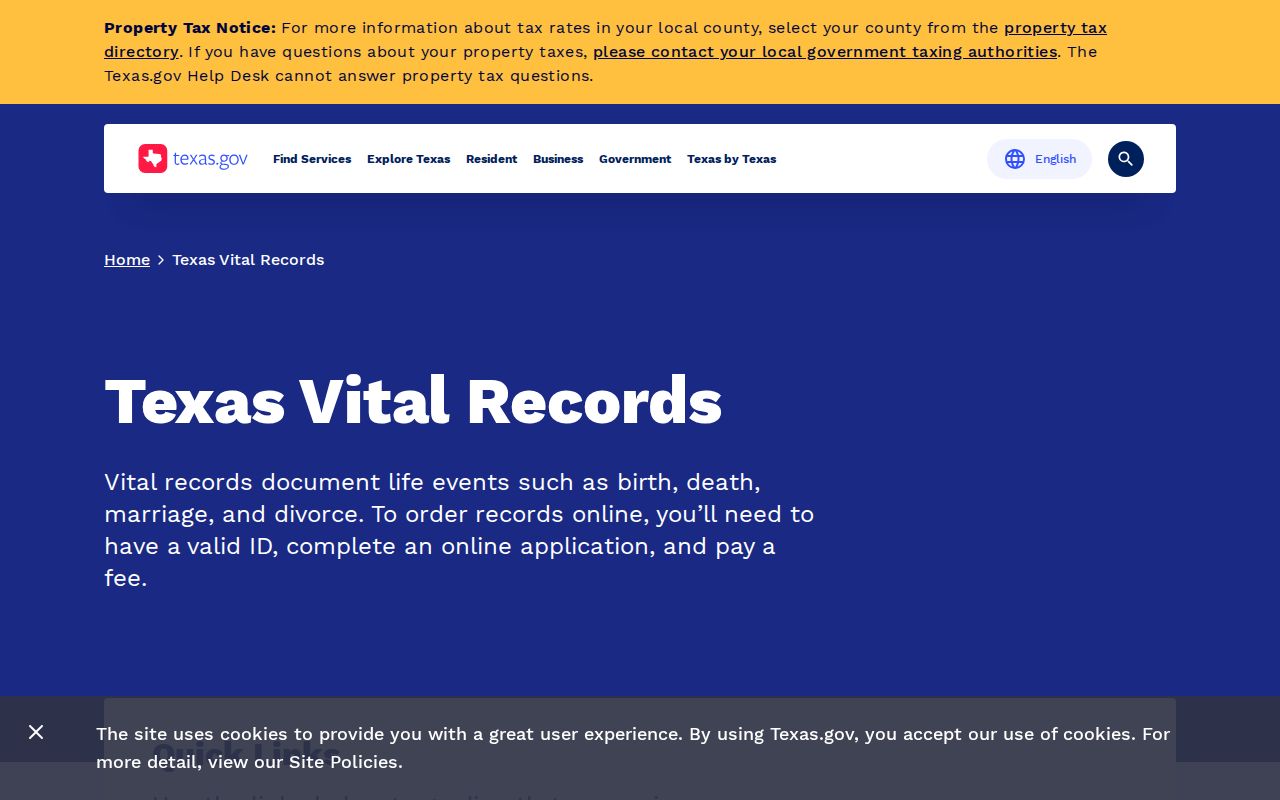
That distinction protects family information and keeps a verified event from being overstated as a complete personal profile.
McKinney Records Have Privacy Boundaries
Texas public-information law opens many existing records but also requires redaction and protects specific fields. Government Code Chapter 552 covers protected vital records, sensitive home and contact information for covered people, motor-vehicle data, public email addresses in many settings, and Social Security numbers. Election rules protect Social Security, Texas driver-license, and DPS-identification information. Address Confidentiality Program participants and other protected groups can have additional safeguards. A result that happens to display on a screen is not a reason to republish sensitive details.
Lawful use. McKinney records support personal research, family history, estate work, and civic questions. Do not use a record to stalk, harass, threaten, or harm anyone; ask the custodian to correct a source error.
For a city-held item, use the McKinney public-records portal with a record type, date range, address, permit, incident, or case number. Texas Public Information Act procedures cover existing records, not a duty to build a new list of people.
McKinney Directory Collections Over Time
Historical McKinney residents directory evidence comes from the Helen Gibbard Hall genealogy collection, local indexes, microfilm, maps, and the UNT Portal to Texas History. The library's obituary indexes include 1884 through 1899 online, Excel, and PDF routes, then later Excel and PDF runs. UNT digitized McKinney directories include 1933, 1938, 1953, 1960, 1968, 1971, and 1977. A 1933 street page, a 1938 name page, and later telephone material each capture a different dated snapshot.
- Parcel
- A taxed land unit tied to a property or geographic identifier and legal description.
- Index
- A finding aid that points to a document or page; it is not automatically the original record.
- Resident roll
- A dated list created for a narrow purpose, such as property taxation or voter registration.
- Criss-cross directory
- A street-address arrangement that can help place a past household at an address.
The 1953 McKinney directory at UNT is a digitized example of the historical directory record.
Read the scanned page, note the repository and year, and mark a missing entry as an absence from that edition rather than proof that a person left McKinney.
McKinney Search Dates Run on Three Clocks
McKinney research has a timing problem as well as a name problem. CCAD is a tax-year property snapshot; the court portal updates daily or in real time depending on the path; a directory is fixed at publication; a jail or registry result is a specialized status display. A mismatch can simply reflect different update cycles. Record the capture date and the source's coverage before treating two entries as a conflict.
| Official source | What its date means |
|---|---|
| CCAD | A property and tax-account snapshot, not a continuous occupancy history. |
| County court search | Portal availability and court coverage, with older records often routed to the clerk. |
| City directory | A publication-year observation, subject to omissions and printing lag. |
| Custody or registry search | A specialized status check that does not stand in for a residents directory. |
TDCJ's inmate-information page illustrates the separate statewide custody channel.
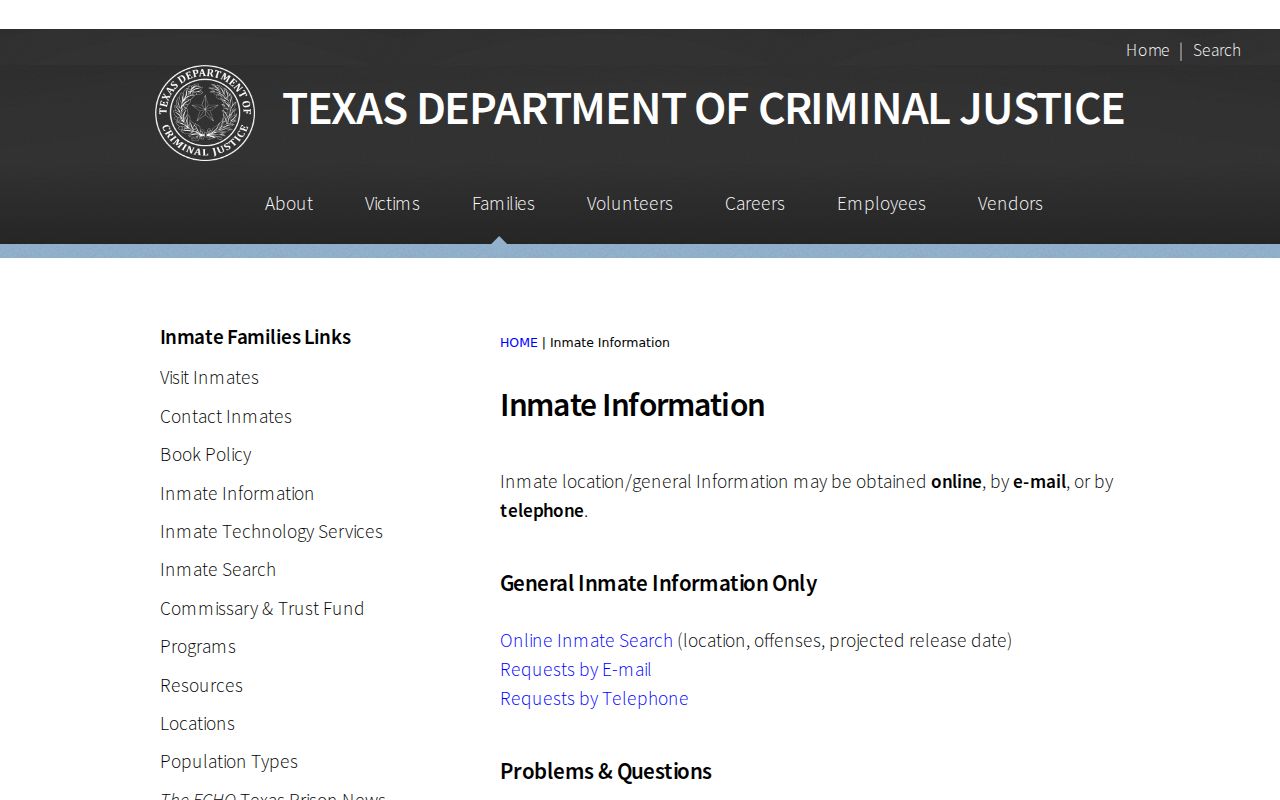
Use a specialized result only for its stated purpose and source date. A no-result in one custody system does not establish a person's wider history or present location.
McKinney Business Filings Need Their Own Trail
A business filing, assumed name, professional license, or permit can document a legal entity, registrant, licensee, premises, or contact. It does not automatically identify a McKinney resident. The Texas Secretary of State's SOSDirect route covers business filings, certificates, assumed names, and UCC records. The documented charge for an authorized search is $1, and the Secretary of State redacts several sensitive account and payment identifiers.
The SOSDirect search entrance is a statewide filing source that remains separate from a McKinney residents directory result.
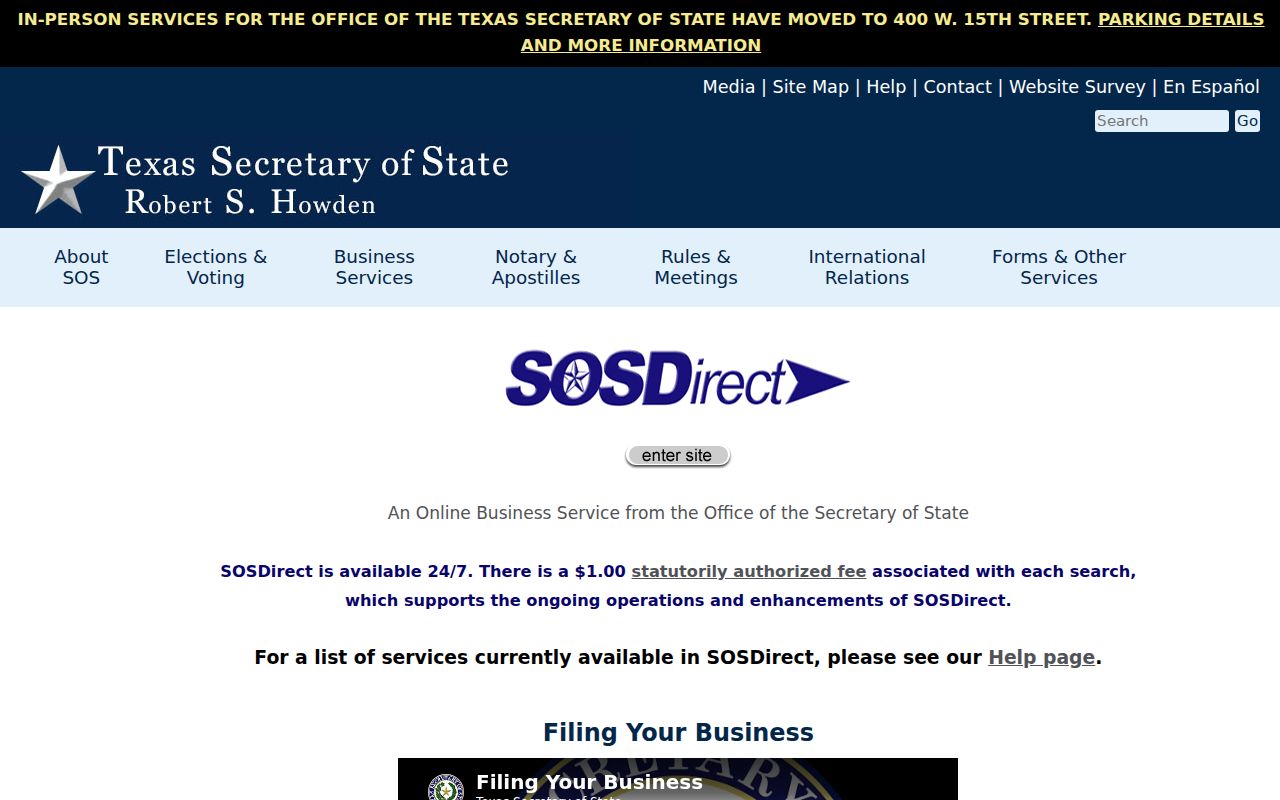
Keep the filing agency, record type, and date with the result. A registered office or public business contact is not evidence of a personal residence.
McKinney Safety Registries Are Not Directory Rolls
The Texas Department of Public Safety maintains a statutory sex-offender registry with its own purpose and display limits. It is not a general McKinney residents directory. Public results can include the fields allowed by the statute, while Social Security numbers, driver-license numbers, phones, online identifiers, employer information, victim information, and juvenile nonpublic data are excluded. Keep the source jurisdiction, displayed status, and capture date with any official check.
The Texas DPS public registry is the official specialized search, not a substitute for property, voter, or historical records.
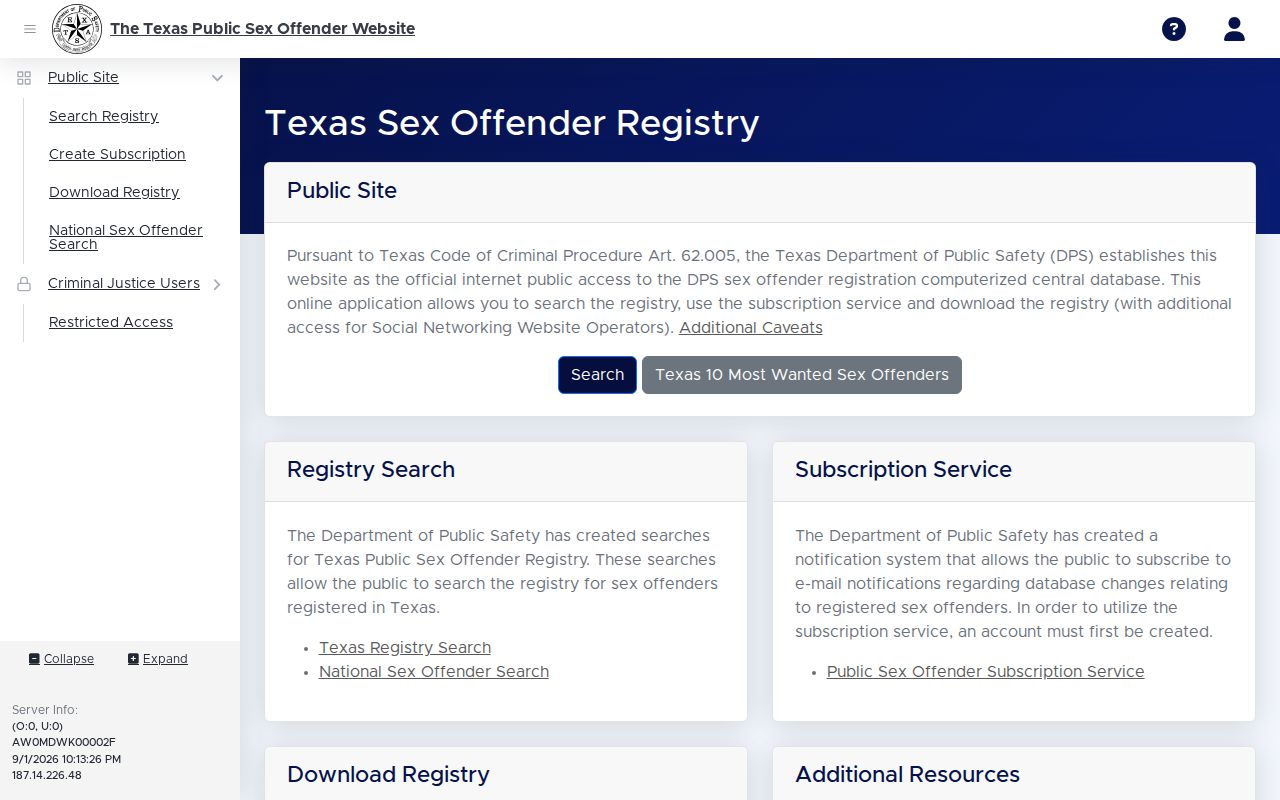
For a present public-safety concern, rely on the designated official system and its current status rather than combining unrelated record snippets into a profile.
McKinney Source Notes Make Corrections Possible
Each McKinney residents directory result is stronger with a short source note: custodian, URL, search terms, access date, coverage period, visible identifier, address-field type, and whether the item was an index, image, list, or clerk-confirmed copy. For a historical entry, add the publication year, repository, and page. For a current result, retain the portal's refresh or capture date. A correction belongs with the office that created the record, not with a secondhand summary.
The local lesson is simple: an index hit is a locator, not the record itself. Compare the GIS place layer, CCAD tax account, County Clerk instrument, and historical page only where their dates and identifiers support the connection. That careful chain keeps the McKinney residents directory useful without promising more than the underlying record can show.